


Search the site

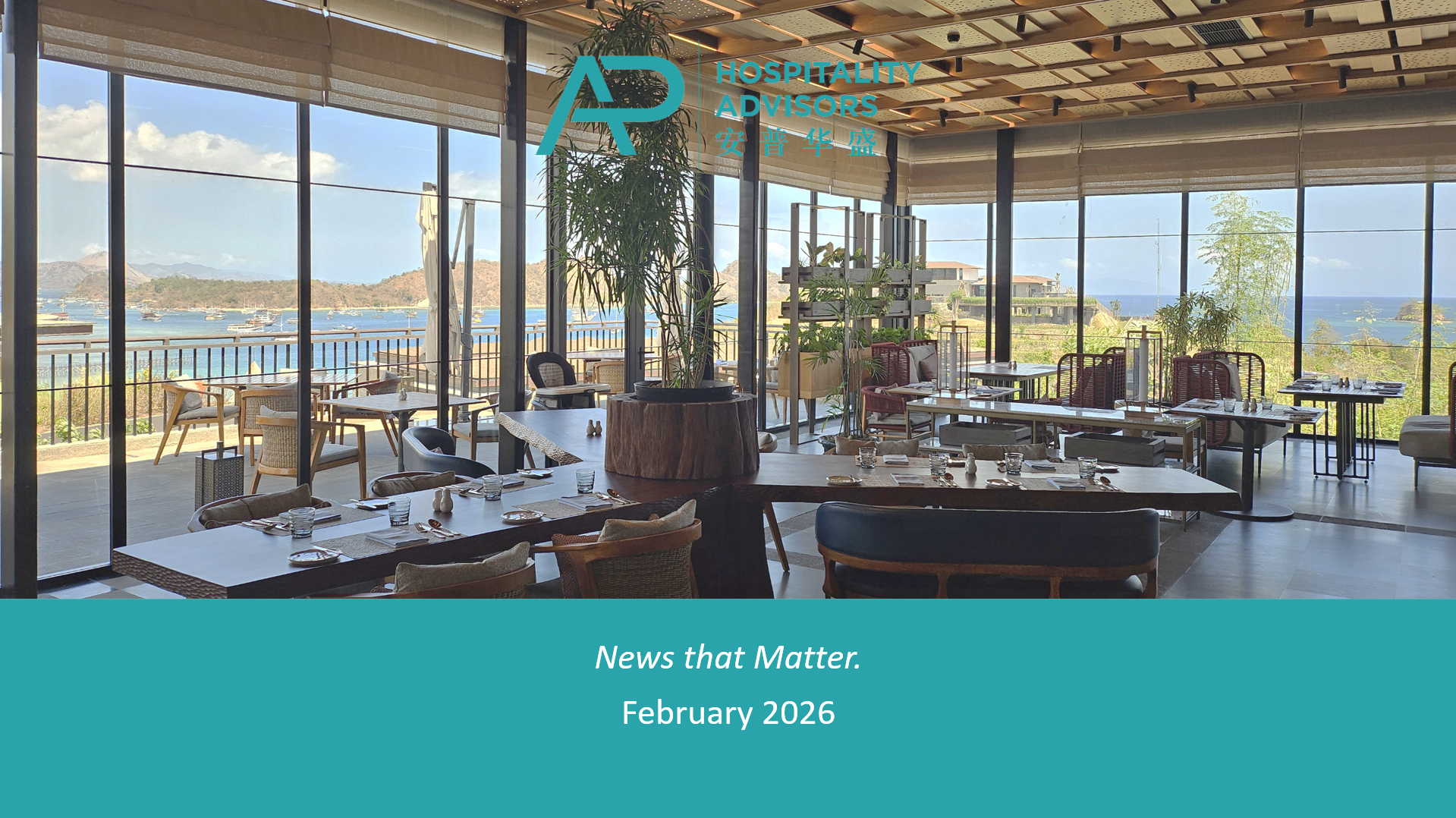
AP Hospitality Bulletin Asia Pacific - February 2026

Transaction that matter.
Pan Pacific Tianjin
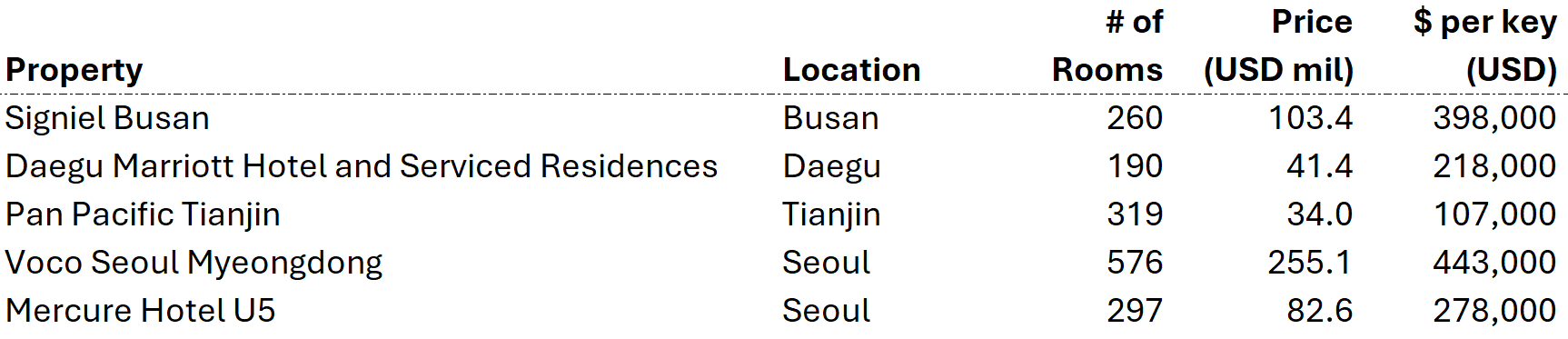
Mr Jiang Yang, a private investor, has reached an agreement with Tianjin UOL Xiwang Real Estate Development Co., Ltd., a subsidiary owned by UOL Group Limited that’s based in Tianjin, China, to sell the 2012 vintage, 319-key Pan Pacific Tianjin Hotel for a total of US$34 million (RMB238 million). This is a strategic move from UOL Group side is to redeploy the capital into higher-yield opportunities and adjust their overall real estate portfolio.
Voco Seoul Myeongdong
The 576-key Voco Seoul Myeongdong has been sold to CapitaLand Investment, a Singapore-based asset manager, with a price of US$255.1 million (KRW360 billion) or US$443,000 (KRW600 million) per key. Furthermore, similar transactions were made recently: Four Points by Sheraton Josun Seoul Myeongdong at around KRW600 million per key and Courtyard by Marriott Seoul Namdaemun at around KRW630 million per key. The Seoul hotel market remains highly sought after among investors.
Mercure Hotel U5
The former 297-key U5 Hotel located in Myeongdong was acquired by Koramco Asset Management for US$82.6 million. The hotel is currently closed for extensive renovation and is expected to reopen with 336-keys under Accor’s Mercure brand.
News that matter.
Tourism Overview in 2025 and Outlook in 2026
2025 has been a great rebound year for tourism in Asia-Pacific with volumes at or above 2019 (pre-pandemic). 2026 is expected to be the first post-recovery year with numbers going back to “normal” growth.
Hong Kong has welcomed almost 50 million visitors with around 75% coming from Mainland China. Non-Mainland Chinese visitors registered ahigher increase at 15.3% versus 11.1% for Mainland Chinese visitors, indicating a recovery of the international tourism market for Hong Kong. Moreover, it was reported that the government is allocating HK$1.66 billion to the Hong Kong Tourism Board’s budget in 2026 and is expected to scale up Hong Kong’s flagship events and promotions.
Japan has reached a historical high in visitor arrivals in 2025 with almost 40 million boosted by the favorable exchange rates and World Expo taking place in Osaka from April to October. Japan is expected to continue to wrestle with the challenges of overtourism in 2026 and beyond. The government has implemented a mix of policies and regulations, such as international departure tax increase and reduced the dependence on a key feeder market such as China.
Korea‘s visitor arrivals rebounded from the pandemic with around 19 million visitor arrivals in 2025, which is a 15.7% increase from 2024. Likely causes include the weakened Won and easing of visa requirementsfor more countries. The government is targeting an ambitious goal of 30 million visitors in 2026.
Singapore received 16.9 million visitors in 2025 representing a 2.3% increase over 2024. It is noted that the visitor arrivals from regional markets such as Vietnam and Philippines declined which may be related to a higher price sensitivity as Singapore returned to “pre-pandemic norm” and hotel rates keep increasing.
More News
AP Hospitality Bulletin Asia Pacific - August 2026
AP Hospitality Bulletin Asia Pacific - June 2026
Subscribe to our newsletter

